

The Opportunity
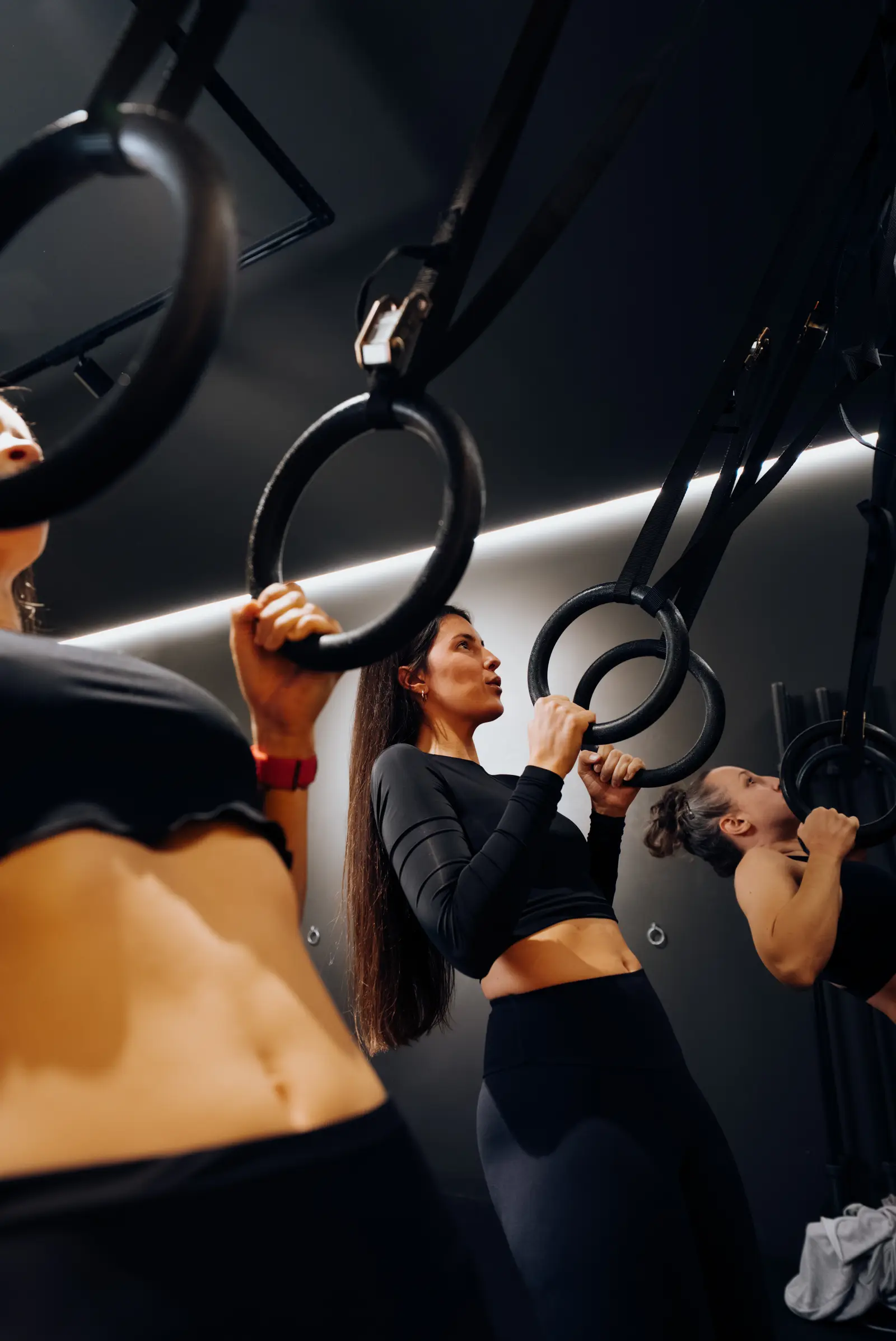
FitLovas is a women's strength training studio chain in Barcelona. At the start of the engagement, it ran two established studios. The brand is the product: a community where women train strength seriously, without the intimidation of a conventional gym. Classes were full and members were loyal. Word of mouth worked.
The challenge was translating that brand into growth. Meta campaigns generated healthy lead volume, but leads were managed across a spreadsheet, a CRM, and a booking system with 25 fragmented statuses and no connection between them. Follow-up messages read nothing like the brand that had attracted the lead in the first place. The sales team had no reliable view of what happened after a lead arrived, and the ad platform was optimising for form fills rather than members.
History showed the cost of this. Before the engagement, monthly acquisition cost per member had swung between €13 and over €500 depending on the month, with paid activity switched off entirely for half a year after one particularly expensive period. FitLovas wanted growth that felt like the brand and economics it could trust.
The Solution
Diagnosing the funnel with data
We started by analysing every lead from the first four months of the year: 976 records reconciled across the spreadsheet, the CRM, the booking system, and the ad platform. The diagnosis was clear. Speed-to-lead was already solved, with 98.6% of leads contacted, but only 24% ever reached a real conversation. The leak was in the middle of the funnel, not at the top.
This diagnostic reframed the entire engagement. The priority was not more leads. It was making every conversation worthy of the brand, and connecting the systems so the results could be seen.
Building the brand into every touchpoint
FitLovas does not sell gym access; it sells belonging to a community of women who train strength. That positioning had to survive contact with paid media, which is where most fitness brands lose it to discount-led templates.
We rebuilt the creative and messaging strategy around the brand. Ad creative moved from generic offer formats to community-led storytelling: real members, real training, the anti-intimidation promise front and centre. The first WhatsApp message a lead receives was rewritten from a cold sales opener to a warm, story-led welcome, then A/B tested to confirm the brand voice also converts better. Offers became behaviourally triggered rather than mass blasts, so a promotion arrives as a natural next step in a conversation, not as noise.
Paid social now works on two levels at once: it fills the funnel this month, and it compounds local brand awareness in each studio's catchment area, which shows up as organic sign-ups and walk-ins the media never gets credit for.
A chat assistant that speaks like the brand
The core technical build is a WhatsApp assistant layered over the CRM. Every lead enters a six-stage lifecycle (New Lead → Contacted → Engaged → Qualified → Booked → Client), collapsed from the 25 fragmented statuses the team had before, with a structured tag layer for contact attempts, intent, and booking behaviour.
The assistant handles the follow-up work no sales team does consistently at volume: approved message templates in the brand's voice, an automated nudge when a lead goes quiet for 24 hours, booking prompts, and trial offers triggered by behaviour. The team steps into conversations where a human matters, and no lead is ever silently forgotten.
Connecting the stack end to end
The structural fix was attribution. When a lead became a paying member in the booking system, that signal never reached the ad platform, so the algorithm kept optimising for cheap form fills. We built a server-side integration that fires conversion events back to Meta when a lead books, attends a first class, or signs up as a member, matched via hashed email and phone from the original lead form. With those signals in place, budgets are reallocated weekly on cost per member rather than cost per lead, weighted toward the studio with available capacity.
On top of the connected stack we deployed Helios, our MCP-based conversational analytics layer, linking the booking system, the ad platform, and the CRM. The team can ask questions in plain Spanish (“which creative converts best for women 35–45?”, “which leads from last week are still uncontacted after 24 hours?”) without learning a BI tool, alongside a mobile-first dashboard and a daily WhatsApp summary of the numbers that matter.
The Impact
FitLovas acquired more than 400 new members in the first five months of the year at a blended cost of €35 per member, calculated against total Meta spend. Cost per member held steady throughout, replacing the wild swings of previous years. At typical membership pricing, a new member pays back her acquisition cost within the first one to two months.
Just as important, growth stopped costing the brand anything. The creative that acquires members is the same creative that builds the community's identity, and every lead now experiences the brand consistently from the first ad impression to the first class. The best month delivered 72 new members with spend up 62% at the same efficiency: scaling no longer degraded performance or diluted the message.
FitLovas has opened its third and largest studio, a 600-person capacity location in Barcelona's Gràcia district. The launch is brand-led, built around a founding membership for the neighbourhood, with Parrot Partners running the full acquisition plan on the infrastructure already in place.
The Engagement
Parrot Partners has worked with FitLovas since January 2026. The engagement spans three fronts: brand and creative strategy (positioning, messaging, community-led ad creative), technical implementation (the WhatsApp assistant, lead lifecycle design, booking-to-ads attribution, Helios conversational analytics), and hands-on growth marketing across Meta, including budget allocation and capacity-driven media planning.
We work directly with the sales and operations team, with the data infrastructure we built serving both sides: the client reads it through dashboards and daily alerts, and we use it to make faster, better-evidenced media and creative decisions.